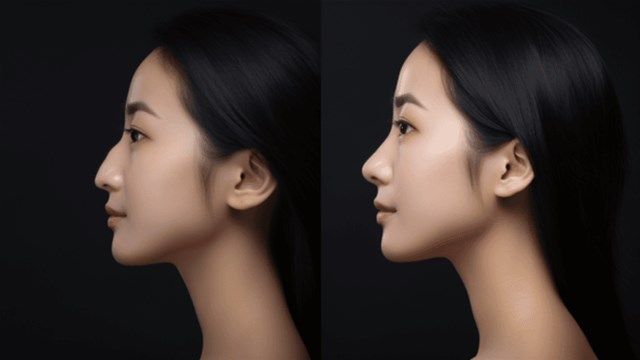
Key Takeaways
- A good candidate for tipplasty surgery is someone who is unhappy with the shape or size of their nose tip.
- Criteria for being a good tipplasty candidate include being in good general health, being over the age of 18, having realistic expectations, having a stable weight, and not being pregnant or breastfeeding.
- Tipplasty surgery is typically performed under sleep anesthesia and involves reshaping the cartilage and bone of the nose tip to achieve the desired results.
Introduction
Are you unhappy with the shape or size of your nose tip? If so, you may be a good candidate for tipplasty surgery. Tipplasty is a popular procedure that can help improve the overall appearance of the nose by reducing the size of the tip, narrowing it, or altering its shape. But who exactly is a good candidate for this surgery? In this article, we will explore the criteria that determine if you are a suitable candidate for tipplasty. We will also dive into the procedure itself, the recovery process, and the permanent results you can expect. If you're considering tipplasty surgery, its important to have realistic expectations and to discuss the risks and benefits with your doctor. So, lets learn more about tipplasty surgery and find out if its the right choice for you.
Who is a good candidate for tipplasty surgery?
A good candidate for tipplasty surgery is someone who is unhappy with the shape or size of their nose tip. Tipplasty can help to improve the overall appearance of the nose by reducing the size of the tip, narrowing it, or altering its shape.
Criteria for being a good tipplasty candidate
There are a few criteria that a person should meet in order to be a good candidate for tipplasty surgery. These include:
- Being in good general health
- Being over the age of 18
- Having realistic expectations about what tipplasty can achieve
- Having a stable weight
- Not being pregnant or breastfeeding
Procedure
Tipplasty surgery is typically performed under sleep anesthesia. The surgeon will make an incision in the skin of the nose, inside the nostril and columella. The cartilage and bone of the nose tip are then reshaped to achieve the desired results. The incisions are then closed with stitches.
Recovery
Recovery from tipplasty surgery typically takes about two weeks. During this time, you will need to avoid strenuous activity and keep your nose clean and dry. You will also need to wear a nose splint for a few days.
Results
The results of tipplasty surgery are typically permanent. However, it is important to note that the nose can continue to change slightly over time due to natural aging processes.
Conclusion
Tipplasty surgery can be a safe and effective way to improve the appearance of the nose tip. If you are considering tipplasty surgery, be sure to talk to your doctor about the risks and benefits of the procedure.
What should I expect during a consultation for tipplasty surgery?
A tipplasty consultation is a meeting between you and a plastic surgeon to discuss the possibility of undergoing tipplasty surgery. During the consultation, the surgeon will:
It is important to be prepared for your tipplasty consultation. This means bringing a list of questions to ask the surgeon and doing your own research on the procedure. You should also bring photos of your nose from different angles so that the surgeon can get a better idea of what you are hoping to achieve.
What are the costs of performing tipplasty surgery in South Korea in US Dollars in the year 2023?
The average cost of tipplasty surgery in South Korea is \$4,500. However, the cost can vary depending on the surgeon, the clinic, and the complexity of the procedure.
Here are some of the factors that can contribute to the complexity of a tipplasty surgery:
- The amount of tissue that needs to be removed or added
- The need for cartilage grafting
- The need for other procedures, such as rhinoplasty or blepharoplasty
If you are considering tipplasty surgery, it is important to discuss the cost with your surgeon and counselor in detail. Your surgeon and counselor will be able to give you an estimate of the cost based on your individual needs.
How does tipplasty surgery work?
Tipplasty surgery, also known as rhinoplasty, is a surgical procedure that is performed to improve the appearance of the nose. It can be used to correct a variety of problems, including a bulbous or drooping tip, a wide or crooked nose, or a nose that is too long or short. Tipplasty surgery can also be used to improve the symmetry of the nose or to make it more proportionate to the rest of the face.
The surgical process of tipplasty surgery typically involves the following steps:
- The surgeon makes an incision in the skin of the nose, either inside the nose or along the edge of the nostrils.
- The surgeon lifts up the skin and cartilage of the nose to expose the underlying structures.
- The surgeon reshapes the cartilage and bone of the nose to achieve the desired results.
- The surgeon closes the incisions with stitches.
Tipplasty surgery typically takes between two and three hours to complete. The patient will stay in the hospital for one to two hours after surgery. The recovery period for tipplasty surgery is typically two to three weeks. During this time, the patient will experience swelling and bruising around the nose. The stitches will be removed after one week or 10 days.
Tipplasty surgery is a relatively safe procedure, but there are some risks associated with it, including bleeding, infection, and scarring. The patient should discuss these risks with their surgeon before undergoing the procedure.
What are the common after care procedures for tipplasty surgery?
Tipplasty is a surgical procedure that reshapes the tip of the nose. It is typically performed to improve the appearance of the nose, but it can also be done to correct a functional problem, such as a deviated septum.
The recovery from tipplasty surgery is generally straightforward, but there are a few things you can do to help the process along.
Most people are able to return to work and normal activities within a few weeks after tipplasty surgery. However, it is important to listen to your body and take it easy if you are feeling tired or uncomfortable.
What is the general recovery and downtime I should expect after tipplasty surgery?
The recovery time for tipplasty surgery typically ranges from 2-4 weeks. During this time, you can expect some swelling, bruising, and discomfort. You will also need to wear a splint or dressing on your nose for several days.
What can I expect on treatment day of tipplasty surgery?
Tipplasty surgery, also known as a rhinoplasty tip procedure, is a cosmetic procedure that can help to improve the shape and appearance of the nose tip. It is typically performed on adults who are 18 years of age or older.
The procedure is performed under sleep anesthesia and typically takes about two hours. During the procedure, the surgeon will make an incision inside the nose or along the edge of the nostrils. The cartilage and bone that make up the nose tip are then reshaped to create a more refined and natural-looking appearance.
After the surgery, you will be taken to a recovery room where you will stay for a few hours. You will then be discharged home with instructions on how to care for your nose.
In the days following the surgery, you can expect to experience some swelling, bruising, and tenderness around the nose. You may also have some difficulty breathing through your nose. These symptoms will gradually improve over time.
You will need to wear a splint on your nose for about a week after the surgery. You will also need to avoid strenuous activity for several weeks.
The results of tipplasty surgery are typically permanent. However, it is important to note that the nose can continue to change slightly over time due to natural aging processes.
What to Expect on the Day of Your Surgery
On the day of your surgery, you will need to arrive at the hospital or surgical center at the scheduled time. You will be asked to change into a hospital gown and then be taken to the pre-operative area.
The surgeon will then review your medical history and discuss the details of the procedure with you. You will be given a sedative to help you relax.
Once you are sedated, the surgeon will make the incisions and reshape the cartilage and bone of the nose tip. The incisions will then be closed with stitches.
After the surgery, you will be taken to a recovery room where you will stay for a few hours. You will then be discharged home with instructions on how to care for your nose.
What to Expect After Your Surgery
In the days following the surgery, you can expect to experience some swelling, bruising, and tenderness around the nose. You may also have some difficulty breathing through your nose. These symptoms will gradually improve over time.
You will need to wear a splint on your nose for about a week after the surgery. You will also need to avoid strenuous activity for several weeks.
The results of tipplasty surgery are typically permanent. However, it is important to note that the nose can continue to change slightly over time due to natural aging processes.
How does tipplasty revision surgery work?
Tipplasty revision surgery is a procedure that is performed to correct or redo a previous tipplasty surgery. It is typically done to improve the shape or position of the nose tip, or to reduce the size of the nostrils.
The procedure is performed under sleep anesthesia and typically takes about two hours. The surgeon will make an incision in the skin around the nose tip and then lift up the skin to access the underlying cartilage. The cartilage is then reshaped and repositioned to achieve the desired results. The skin is then closed with stitches.
Tipplasty revision surgery is a complex procedure that should only be performed by a board-certified plastic surgeon. There are risks associated with any surgery, including bleeding, infection, and scarring. However, when performed by a skilled surgeon, tipplasty revision surgery can provide patients with a more natural-looking and aesthetically pleasing nose.
- The surgeon will mark the area around the nose tip with a pen.
- An incision is made in the skin around the nose tip.
- The surgeon lifts up the skin to access the underlying cartilage.
- The cartilage is reshaped and repositioned to achieve the desired results.
- The skin is closed with stitches.
- The patient is given pain medication and discharged home.
The recovery from tipplasty revision surgery typically takes about two weeks. During this time, the patient will experience swelling, bruising, and pain. They will also need to keep the area clean and dry. The stitches will be removed after about one week.
The patient will need to avoid strenuous activity for about six weeks. They will also need to wear a nasal splint for about two weeks.
The risks associated with tipplasty revision surgery include bleeding, infection, and scarring. There is also a risk that the surgery may not achieve the desired results.
Tipplasty revision surgery is a complex procedure that should only be performed by a board-certified plastic surgeon. It is important to weigh the risks and benefits of the procedure before making a decision.
What surgeries can I combine with tipplasty surgery?
- Rhinoplasty
- Alar base reduction
- Septoplasty
- Nasal hump reduction
- Revision rhinoplasty
- Alarplasty
- Nasolabial angle reduction
- Brow lift
- Forehead lift
- Fat grafting
- Skin booster
What celebrities or actors have undergone tipplasty surgery?
Tipplasty is a type of rhinoplasty that focuses on the shape of the nose tip. It is often performed to make the nose tip appear more refined or upturned.
There are many celebrities who have undergone tipplasty surgery, including:
Tipplasty is a relatively common procedure, and it can be a safe and effective way to improve the appearance of the nose tip. However, it is important to note that all surgeries carry some risks, and it is important to choose a qualified surgeon.
Conclusion
In conclusion, tipplasty surgery is a safe and effective way to improve the appearance of the nose tip. It is important to find a qualified surgeon and have a thorough consultation before undergoing the procedure. By meeting the criteria for being a good candidate and having realistic expectations, you can achieve the desired results. The recovery process may take a few weeks, but the results are typically permanent. It is important to follow the aftercare procedures and follow your doctors instructions for the best outcome. If you have any further questions or are considering tipplasty surgery, be sure to consult with a qualified plastic surgeon who can provide you with all the necessary information. Don't hesitate to explore more articles on our website to gather all the information you need to make an informed decision.