
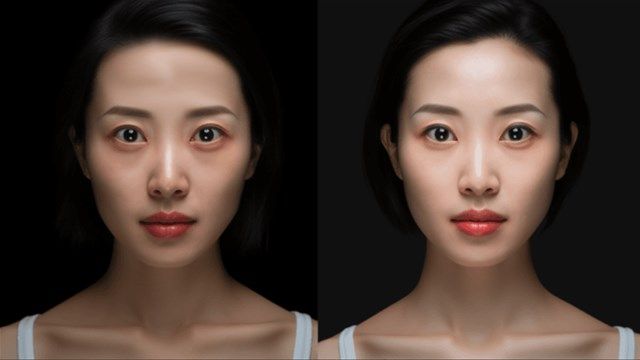
Fat Grafting

Surgical
Permanence
Surviving fat (50-70% of injected volume) is permanent and behaves as native tissue; non-surviving fat is reabsorbed in first 3-6 months. Patient weight changes affect surviving fat as they would native tissue
Downtime Days
5-7 days for facial procedures; 10-14 days for body procedures; compression for harvest area 2-6 weeks; 6 month timeline to final result
Anesthesia
General anesthesia or sedation depending on harvest and recipient zone scope; local-only for very small face cases
Cost Range K R W
₩2,000,000 – ₩15,000,000 (single zone face → BBL or breast)
Cost Range U S D
$1,500 – $11,500
Min Trip Days
7
Optimal Trip Days
10
Age Min
18+ for elective; younger candidates require parental consent and case-specific assessment

What might surprise you

  • Fat grafting is a partial-success procedure by biology. Even in trained hands, only 50–70% of injected fat survives; the rest is reabsorbed. Patients sometimes interpret this as technique failure when it's actually expected biological behavior. Plan for two-to-three sessions for substantial volume restoration.
  • Korean micro-fat and nano-fat techniques are genuinely refined. The standard Coleman technique (1990s, Sydney Coleman) uses larger-particle fat appropriate for general volume work. Micro-fat (smaller particles) suits superficial face placement; nano-fat (very small, used more for biological-stimulating effect than volume) addresses fine wrinkles and skin quality. Korean clinics with strong fat-grafting practice handle the full size spectrum; clinics offering only Coleman-classical may produce lumpy results in fine recipient sites.
  • Buttock fat grafting (BBL) is the most-dangerous fat grafting indication. The pulmonary embolism risk from intramuscular fat injection is well-documented; reported BBL mortality in some older cohorts ran as high as 1:3,000. Current Multi-Society Gluteal Fat Grafting Task Force guidance restricts injection to the subcutaneous plane only. Korean clinics typically follow this; clinics offering intramuscular BBL injection are operating outside current safety standards regardless of marketing claims.
  • Fat grafting in the breast complicates future breast cancer screening. Surviving fat can produce calcifications, oil cysts, or fat necrosis that show up on mammography and may need additional imaging or biopsy to distinguish from malignancy. The current consensus is that fat grafting does not increase breast cancer risk, but it does complicate screening; patients should inform their breast-screening providers and may need MRI or specialized ultrasound rather than mammography alone in subsequent years.
  • Facial fat grafting can produce more durable outcomes than fillers but takes longer to settle. Hyaluronic acid fillers last 12–24 months and are reversible; fat grafting produces permanent volume change for surviving fat, with no reversibility. The tradeoff is durability for a longer settlement timeline (6 months for fat vs immediate for fillers) and irreversibility (you live with the surviving fat forever, including weight-related changes).

    Fat banking (cryopreservation) is a Korean specialty. Many Gangnam clinics harvest enough fat in the first session to bank surplus material via cryopreservation for use in a second session 4–6 months later. This avoids a second harvest procedure for the multi-session protocol patient. Survival rates of cryopreserved-then-thawed fat vs fresh fat remain under clinical discussion; published evidence suggests cryopreserved fat performs adequately but may have somewhat lower survival than fresh harvest. Ask explicitly whether fat banking is offered, the storage protocol, and whether the second-session pricing reflects banked-fat use.

Fat grafting — known clinically as autologous fat transfer or lipofilling, in Korean as 자가지방이식 — is one of the most-integrated procedures in Korean cosmetic practice. Fat is harvested from one body region by gentle liposuction, processed (centrifuged, decanted, or filtered), and re-injected into a recipient site for volume restoration or contour refinement. The biological premise is donor-dominance plus partial graft survival: fat cells that successfully revascularize at the recipient site survive permanently, while those that don't are reabsorbed over the first 3–6 months. Typical survival rates run 50–70% in trained-hand cohorts, with the surviving fat behaving as native tissue thereafter.

The Korean clinical context shapes how the procedure is delivered here in three distinctive ways. First, the high-volume liposuction practice in Gangnam means harvest material is essentially always available and processing protocols are well-established; many Korean clinics offer fat grafting integrated with primary liposuction in the same anesthesia event. Second, micro-fat and nano-fat techniques (smaller-particle fat for fine recipient sites, particularly face) have been refined in Korean practice over the past decade; the technique is widely available and well-understood at premium-tier clinics. Third, fat-grafting-only cases (without simultaneous liposuction goals) are common — patients with sufficient harvest volume seeking facial volume restoration, breast volume supplementation, or contour refinement can have fat grafting as a standalone procedure.

The procedure addresses facial volume loss (cheek, midface, temples, lips, under-eye, nasolabial folds), breast volume supplementation (modest enhancement; not equivalent to implants for substantial size increase), buttock contour (gluteal augmentation; safety considerations apply), hand rejuvenation, post-traumatic or post-surgical contour defects, and breast reconstruction adjunct after mastectomy. Combinations with implant procedures (implant + fat for soft tissue padding), with rhinoplasty (fat for dorsal smoothing), and with facial contouring (fat for zone-specific volume after bone reduction) are common in integrated Korean practice.

This guide covers what fat grafting does in the Korean clinical context, the technique decisions (Coleman-classical, micro-fat, nano-fat, SVF-enriched), per-zone applications and realistic outcomes, what each indication realistically costs in Gangnam, the recovery and the survival-curve timeline, candidacy filters, the substantial complication considerations specific to fat grafting (oil cyst, fat necrosis, calcification, embolism in BBL), and the questions that separate a thoughtful consultation from a high-volume operation. Liposuction is referenced as the harvest source; full liposuction coverage lives in the dedicated liposuction guide.

Cost in South Korea

From 1.6M KRW ~$1,238
Average 2.8M KRW ~$2,119
Up to 4.0M KRW ~$3,000

Based on 2 community-reported prices.

What fat grafting is (and is not)

Fat grafting transfers fat cells from a donor area (typically abdomen, flanks, or thighs) to a recipient site (face, breast, buttock, hand, or contour defect). The fat is harvested by gentle liposuction with small cannulas, processed to separate viable fat from fluid and oil, and re-injected through small cannulas in multiple passes at different depths.

The biological premise is partial survival via revascularization: injected fat cells that re-establish blood supply within the first 1–2 weeks survive permanently and behave as native tissue thereafter. Cells that don't revascularize undergo apoptosis and are reabsorbed over weeks to months. Survival depends on harvest technique gentleness, processing method, recipient site vascularity, injection technique (small-volume placements through multiple passes), and patient factors.

Technique categories in current Korean practice:

  • Coleman-classical fat grafting — the foundation technique developed by Sydney Coleman in the 1990s. Hand-syringe harvest with low-suction; centrifugation processing; small-syringe injection through layered passes. Standard for body volume work and basic facial volume.
  • Micro-fat grafting — smaller-particle fat (passed through finer filters) for superficial face placement. Reduces lumpiness in fine recipient sites; suitable for mid-cheek, lip, under-eye, temples.
  • Nano-fat grafting — very small particles or processed fat used more for biological-stimulating effect (rich in stromal vascular fraction) than for volume. Addresses fine wrinkles, skin quality, scar improvement.
  • SVF-enriched fat grafting (cell-assisted lipotransfer) — fat enriched with stromal vascular fraction cells aiming for higher survival rates. Evidence base is mixed; not all Korean clinics offer this. Note: in Korean marketing, the label "stem cell fat grafting" is often used for standard SVF-enriched grafting rather than purified stem-cell therapy. Patients should ask for the specific processing method rather than relying on the marketing term.
  • PRP-enriched fat grafting — platelet-rich plasma added to graft material, claimed to improve survival. Evidence is similarly mixed.

Fat grafting is not equivalent to filler in any direct sense. Filler (hyaluronic acid) is reversible (hyaluronidase dissolves it), lasts 12–24 months, and produces immediate volume. Fat grafting is irreversible (surviving fat is permanent), takes 6 months to settle, and changes with patient weight as native tissue does.

Fat grafting is also not equivalent to implants for substantial breast or buttock volume increase. The volume per session is limited by harvest availability and survival rate; major volume change requires multiple sessions or implants. Patients seeking 1+ cup size breast volume increase typically need implants; fat grafting is more appropriate for ≤1 cup size or for shape refinement supplementing implants.

What patients actually report

Our reviews database holds a meaningful number of facial fat grafting reviews; body fat grafting is less common in our tagged data. Patterns below are aggregated from international forums (RealSelf fat grafting boards, Reddit r/PlasticSurgery), Korean platforms, and peer-reviewed satisfaction literature.

Survival-rate education is the most-impactful pre-op conversation. Reviewers whose consultation explicitly walked through the 50–70% survival rate and the multi-session protocol describe their first-session outcome as expected; reviewers whose consultation didn't address this often describe their first-session outcome as 'not enough.' The biological reality is unchanged in either case; expectation-setting drives satisfaction.

Two-week swelling masks final shape. Patients judging their result at 2 weeks describe over-volume; at 4–8 weeks describe satisfactory; at 12 weeks describe wishing for more (as reabsorption proceeds); at 6 months reach final outcome and decide whether a second session is wanted. The arc itself is normal; without consultation grounding, it produces emotional swings.

Combined liposuction-plus-fat-grafting cases have higher overall satisfaction than separate procedures. The 'two-procedures, one anesthesia' integration produces volume reduction at the donor site and volume gain at the recipient site in a single recovery; reviewers describe this as efficient and outcome-coherent. Korean clinics commonly offer this; Western clinics often stage them.

BBL satisfaction varies dramatically with safety-protocol clinic selection. Reviewers from clinics following modern subcutaneous-only injection guidelines describe good outcomes with low complication rates; reviewers from clinics offering aggressive injection (closer to or into muscle) describe higher complication rates including the rare but serious pulmonary embolism. The Korean clinical practice generally aligns with modern subcutaneous-only guidance.

The filtered fat grafting reviews show what we have today.

Cautions from clinical practice

Fat grafting in trained Korean hands has a well-characterized complication profile that varies materially by recipient site. The publicly reported issues fall into harvest-site complications (similar to liposuction), recipient-site complications (specific to fat behavior), and (for BBL) systemic risk from injection technique.

Partial survival / under-correction. The most common 'complication' is biological rather than technical: only 50–70% of injected fat survives. Patients expecting one-and-done results are essentially always under-corrected at 6-month evaluation; multi-session protocols are the appropriate response.

Oil cyst. Liquefied non-surviving fat can form palpable pockets at recipient sites. Reported in 2–8% of cases, particularly in larger-volume placements. Most resolve over 6–12 months; persistent oil cysts may need needle aspiration.

Fat necrosis. Death of injected fat producing firm nodules at recipient sites. Reported in 5–15% of breast and 2–5% of facial cases. Most resolve over 12–18 months; persistent firm nodules may need imaging evaluation to distinguish from other concerns.

Calcification. Long-term calcification at fat-necrosis sites. Reported in some breast fat-grafting cohorts at 5–10% incidence over 5 years. Important to distinguish from malignancy on subsequent screening; mammography may not be sufficient and MRI or ultrasound may be needed.

Asymmetry. Differential survival between sides produces asymmetric outcome at 6 months. Reported in 5–15% of cases. Addressable with second-session refinement.

Infection. Reported under 2% with standard antibiotic prophylaxis.

Contour irregularity. Lumpiness or visible/palpable nodules at recipient sites; technique-driven (placement depth, volume per pass, particle size). Reported in 3–10% of facial cases; variable in body cases.

Pulmonary embolism (BBL-specific). The most-serious complication of buttock fat grafting. Intramuscular injection of fat into the gluteal region can produce embolic fat entering the inferior gluteal vein and traveling to the lungs. Reported BBL-related pulmonary embolism mortality in older intramuscular-era cohorts ran as high as 1:3,000 — this catalyzed the current safety reform. The Multi-Society Gluteal Fat Grafting Task Force guidance now restricts injection to the subcutaneous plane only, and reported rates in clinics adhering to subcutaneous-only protocol are substantially lower. Patients seeking BBL should confirm the clinic's injection-plane protocol explicitly.

Donor-site complications. Same as liposuction: contour irregularity, asymmetry, seroma, hematoma, skin laxity, all at the harvest area. See the liposuction guide for fuller treatment.

Vision loss (face-specific). Rare but reported. The mechanism is retrograde arterial embolism: fat injected at high pressure into a facial artery travels backward against the blood flow, into the ophthalmic artery, and occludes the retinal artery, producing permanent vision loss. Risk is highest with injections in the glabella, nose (especially after prior rhinoplasty), and forehead. Appropriate technique (blunt cannulae rather than sharp needles, slow injection, low pressure, smaller per-pass volumes) substantially reduces risk.

Future cancer screening complications. Fat necrosis and calcification at breast graft sites can mimic malignancy on screening mammography; consensus is that fat grafting does not increase breast cancer risk but does complicate screening. Patients should inform breast-screening providers; MRI or ultrasound may supplement or replace mammography.

The technique decision tree

Technique choice depends on recipient site and case characteristics.

Recipient sitePreferred fat typeNotes
Cheek / midface volumeColeman-classical or micro-fatStandard volume restoration
Lip volumeMicro-fatSmaller particle reduces lumpiness
Under-eye / tear troughMicro-fat or nano-fatMost demanding fine work; surgeon experience matters
Temple volumeColeman-classical or micro-fatVolume restoration
ForeheadColeman or micro-fatCaution re vascular events; cannula technique
Nasolabial foldsMicro-fatOften combined with adjacent zone work
Skin quality / fine wrinklesNano-fat (SVF effect)Biological-stimulating rather than volume effect
Breast volume supplementationColeman-classicalLarger volume per session needed
Breast contour refinement (with implant)Coleman or micro-fatSoft-tissue padding around implant
Buttock (BBL)Coleman-classical, subcutaneous-only injectionModern safety standards mandate subcutaneous plane only
Hand rejuvenationColeman or micro-fatLess common indication; well-tolerated
Post-traumatic / post-surgical defectVariable by caseReconstructive indication; sometimes covered by insurance

The technique decision should be specific to the case rather than blanket clinic preference. Premium Korean clinics handle the full spectrum; clinics offering only one technique may produce suboptimal results in zones outside their preferred technique.

Cost in Gangnam

Fat grafting pricing in Korean clinics depends on harvest scope, recipient site, and whether liposuction is integrated. The numbers below are clinic-quoted ranges as of 2026:

ProcedureKRW rangeUSD rangeNote
Single-zone face (e.g., cheeks)₩2,000,000 – ₩4,000,000$1,500 – $3,000Standalone facial volume
Full-face fat grafting₩4,000,000 – ₩7,000,000$3,000 – $5,300Multi-zone face work
Lip volume fat grafting₩1,500,000 – ₩3,000,000$1,150 – $2,300Smaller volume; micro-fat technique
Liposuction + fat grafting (face)₩5,000,000 – ₩9,000,000$3,800 – $6,800Integrated single-anesthesia case
Breast fat grafting (volume supplement)₩6,000,000 – ₩14,000,000$4,500 – $10,700Often integrated with abdominal/thigh harvest
Breast fat grafting + implant₩10,000,000 – ₩18,000,000$7,600 – $13,700Implant + soft tissue padding
Buttock (BBL)₩7,000,000 – ₩15,000,000$5,300 – $11,500Subcutaneous-only injection per safety standards
Hand rejuvenation₩2,000,000 – ₩4,500,000$1,500 – $3,400Less common indication
Second session (touch-up)50–70% of original priceFor patients pursuing multi-session protocol

For comparison: equivalent facial fat grafting in the US typically runs $3,000–$8,000; breast fat grafting $5,000–$12,000; BBL $4,000–$12,000 in major US markets. The Korean tier is meaningfully below US/UK pricing for major fat-grafting cases (breast, BBL, full-face) where the absolute savings cover travel; for small single-zone facial cases the absolute savings are modest.

Recovery, day by day

Fat grafting recovery splits into harvest-site recovery (similar to liposuction) and recipient-site recovery (specific to graft behavior). The procedure-day-to-final-result arc spans 4–6 months.

WindowWhat you'll seeWhat you can do
Procedure dayAnesthesia recovery; compression at harvest site; swelling and bruising at recipient site; for facial: significant face swelling expectedDischarge same day for most cases; overnight observation for larger cases
Day 1–3Maximum swelling at recipient site; bruising; harvest area sorenessLimited activity; ice for facial cases; first clinic check day 1–2
Day 4–7Bruising fading; recipient swelling decreasing; harvest area healingLight desk work; gentle walking; compression at harvest site continued
Day 7–10Acceptable enough to fly home for facial cases; body cases need more timeResume light activity; first clinic check before flying
Week 2–4Recipient swelling resolving; volume appears 'maximum' from residual swellingLight cardio; no impact activities; harvest compression continues
Week 4–8Reabsorption of non-surviving fat begins to be visible; volume decreasesResume normal activity; compression typically discontinued
Month 2–3Reabsorption continues; volume continues to decreaseFull activity; this is the most-emotionally-difficult phase as volume drops
Month 4–6Reabsorption complete; surviving fat stable; final volume visibleFinal outcome assessment; second-session planning if desired

Trip duration: minimum 7-day stay for facial cases; 10-day stay for body or combined cases. Most international patients pursuing meaningful volume change plan for two trips spaced 4–6 months apart.

The 10 questions to ask in your consultation

Suggested questions for your fat grafting consultation. The technique choice, multi-session planning, and (for BBL) safety-protocol questions are the highest-impact decisions.

  1. What's my realistic survival rate, and how many sessions will I need to reach my volume goal? The honest answer references your specific recipient site and target volume; one session is rarely sufficient for substantial change.
  2. What technique are you using (Coleman, micro-fat, nano-fat, SVF-enriched), and why for my case? The reasoning should reference recipient site requirements and case characteristics.
  3. Where are you harvesting from, and what's the volume? Harvest source affects donor-site outcome and graft characteristics.
  4. For BBL specifically: are you injecting subcutaneous-only or going deeper? The right answer is subcutaneous-only per current Multi-Society guidelines; clinics offering intramuscular injection are operating outside current safety standards.
  5. Who personally performs the harvest, processing, and injection? What's the surgeon-vs-technician split? Korean clinics vary widely; ask explicitly.
  6. What's your published or measured graft survival rate at 6 months? Specialist clinics may have data; vague claims of 80–90% survival should be treated with skepticism (this exceeds typical published rates).
  7. What's your protocol for fat-grafting-related complications (oil cyst, fat necrosis, asymmetry)? The answer should reference observation, aspiration if needed, and revision.
  8. For breast fat grafting: how do you advise patients regarding subsequent breast cancer screening? The clinic should reference the screening complications and recommend appropriate imaging.
  9. What's the second-session timeline and pricing if I want more volume at 6 months? The clinic should have a clear second-session protocol with discounted pricing.
  10. What's the all-in price including consultation, anesthesia, hospital fee, post-op care, and follow-up? Get the full-stack number.

Choosing a clinic

Fat grafting is offered by general plastic surgery clinics, body-contouring specialists, and dedicated fat-grafting-focused practices in Gangnam.

  • Board-certified plastic surgeon with high fat-grafting case volume — typically several hundred cases annually for premium-tier Korean practices.
  • Documented technique and outcome protocols — pre-procedure markings, photography from standardized angles, harvest and injection volume documentation, post-op outcome tracking at 6 months.
  • Modern technique availability — Coleman-classical at minimum; ideally micro-fat and nano-fat capability for face work.
  • For BBL candidates specifically — explicit subcutaneous-only injection protocol per Multi-Society Gluteal Fat Grafting Task Force guidance; clinics offering intramuscular injection should be excluded from consideration.
  • Anesthesia by board-certified anesthesiologist — appropriate for the harvest scope (general for body cases, sedation for face cases).
  • Hospital-grade operating facilities for body cases; cosmetic-clinic-grade may be appropriate for small face-only cases.
  • Senior-surgeon-led teams for the injection step particularly — placement-depth precision affects survival and complication rates.
  • Realistic counseling on multi-session protocols — clinics promising one-and-done outcomes for substantial volume change are misrepresenting the biology.

The filtered clinic directory shows current matches.

Risks, complications, and what a safe clinic looks like

The published AE rates for fat grafting in trained Korean hands sit roughly here: partial survival / under-correction (universal — 30–50% reabsorption is biological norm); oil cyst 2–8%; fat necrosis 5–15% breast / 2–5% facial; calcification at fat-necrosis sites 5–10% over 5 years (breast); asymmetry 5–15%; infection under 2%; contour irregularity 3–10% facial; vision loss (face-specific) under 0.01% with proper technique; BBL-specific pulmonary embolism mortality 1:3,000 in older cohorts vs much lower with subcutaneous-only modern guidance; future-screening complications meaningful for breast indication.

Recognition. Patient-side signals worth knowing: vision changes during or shortly after facial fat grafting (immediate emergency — vascular occlusion); shortness of breath, chest pain, or oxygen drop after BBL (immediate emergency — pulmonary embolism); persistent firm nodules at 3+ months (potential fat necrosis or oil cyst — needs evaluation); rapid one-sided enlargement at recipient site in first 48 hours (potential hematoma).

Documentation. Pre-procedure photos in standardized angles; harvest volumes per zone; injection volumes per recipient zone; post-op photos at 1 week, 6 weeks, 3 months, 6 months. Clinics that maintain this protocol are operating in outcome-tracking mode.

Safety considerations specific to international medical tourism. The 6-month outcome timeline means international patients can't make their final outcome assessment in person. Long-distance follow-up via remote photo submission works for the 3-month and 6-month checks; in-person second-session visits are typical for patients pursuing multi-session protocols. For BBL specifically, the post-procedure period (first 48–72 hours) is when pulmonary embolism would manifest if it were going to; patients should be in Korea during this window with access to clinic emergency contact.

Who is a good candidate (and who is not)

Fat grafting candidacy varies by recipient site. The general profile is age 18+ in good general health, with sufficient harvest fat available, with realistic expectations grounded in the partial-survival biology, with no medical contraindications, and (for breast and BBL) understanding of the long-term screening or safety considerations.

Reasons to delay or skip:

  • Insufficient harvest fat. Very thin patients may not have enough donor fat for substantial recipient volume changes; alternative approaches may be more appropriate.
  • Active or unevaluated breast disease (for breast indication). Any breast mass, abnormal mammogram, or strong family history requires evaluation by a breast specialist before elective fat grafting to the breast.
  • Unrealistic volume expectations. Patients expecting one-and-done substantial volume change are mismatched with the partial-survival biology.
  • Active autoimmune or systemic conditions. Affect graft survival and complication rates; require evaluation and stabilization.
  • Pregnancy or planned pregnancy. For breast or body indications, postpone until family planning is settled.
  • Active smoking. Reduces graft survival meaningfully; most surgeons require cessation 4–6 weeks pre and post procedure.
  • Body dysmorphia or unstable body-image expectations. Repeated revision-seeking patterns warrant pre-surgical psychological assessment.
  • Unwillingness to accept the multi-session timeline (for substantial volume change). Patients seeking single-session results should consider alternatives.

For older patients (over 50) with significant skin laxity at recipient sites: fat grafting alone may not address skin-quality concerns; combined approaches (fat + laser, fat + surgical lift) may be more appropriate.

For BBL candidates specifically: the safety profile makes this a procedure where surgeon selection matters more than for almost any other indication. Subcutaneous-only injection protocol is non-negotiable.

When to travel and how long to stay

Fat grafting trip duration depends on recipient site and integrated procedures.

Single-zone facial fat grafting: minimum 5–7 days. Procedure plus 4–5 days recovery plus first clinic check before flying. Standalone face cases are the most travel-friendly fat grafting indication.

Full-face or combined liposuction-plus-fat-grafting: 7–10 days. Procedure plus more substantial recovery plus 2 clinic checks plus drainage stabilization at harvest site.

Breast fat grafting or BBL: 10–14 days. Procedure plus longer recovery plus pulmonary embolism observation window for BBL plus harvest-site recovery.

Long-arc follow-up: 3 and 6 month checks, typically managed via remote photo submission for international patients. The 6-month check is the most important; it determines whether a second session is wanted.

Multi-session protocols: Most patients pursuing substantial volume change need 2–3 sessions spaced 4–6 months apart. International patients typically plan for two trips 4–6 months apart.

Combination trips: Fat grafting combines naturally with liposuction (the integrated 'two-procedures, one anesthesia' case) and with implant procedures (breast implants + fat for soft tissue padding; rhinoplasty + fat for dorsal smoothing). Combining with major surgeries (double jaw, abdominoplasty) increases anesthesia time and recovery burden; should be evaluated case-by-case.

Tax refund, cash discount, and seasonal deals

Three layers of price reduction stack at most clinics. Fat grafting cost varies widely by indication, so the absolute dollar savings vary correspondingly:

VAT refund. Up to 10% of the procedure cost, recoverable at Incheon Airport for foreigners on tourist visas — but only at clinics registered with Korea's Medical Tourist Tax Refund program. Cosmetic fat grafting generally qualifies; reconstructive cases (post-mastectomy, post-trauma) sometimes don't. Either Global Tax Free or KT Tourism Tax Refund handles most refunds.

Cash discount. Typically 5–10%. On a ₩10,000,000 ($7,600) BBL or breast case, this is ₩500,000–₩1,000,000 ($380–$760).

Seasonal promotions. Less common for fat grafting than for non-surgical procedures; some clinics offer modest discounts for combined liposuction-plus-fat-grafting packages. The most meaningful 'discount' is usually the integrated single-anesthesia case structure that bundles harvest and grafting in a single procedure fee.

Currency exchange: Pricing in KRW is typically locked at booking; the multi-session protocol means USD-to-KRW movement over 4–6 months between sessions can be meaningful for the second-session patient.

Alternatives to consider instead

Fat grafting is the right answer for permanent volume restoration when survival rate variability is acceptable and the multi-session timeline is workable. If your case is something else, consider these alternatives:

  • Quick reversible volume. Hyaluronic acid filler (Restylane, Juvederm, Belotero) provides immediate, reversible (with hyaluronidase) volume that lasts 12–24 months. The right answer for patients wanting quick results, reversibility, or trial-of-volume before committing to permanent change.
  • Substantial breast volume increase. Implants provide consistent, predictable volume change; fat grafting alone is limited by harvest availability and survival rate. Hybrid approaches (implant + fat) combine consistent volume from implant with soft-tissue refinement from fat.
  • Substantial buttock volume increase with safety priority. Sculptra and other biostimulating injectables provide gradual collagen-based volume without the embolism risk profile of BBL. Implants exist for buttock but have their own complication profile. Honest consultation about safety tradeoffs is appropriate.
  • Skin quality concerns rather than volume loss. Skin-resurfacing treatments (lasers, microneedling, chemical peels), skin boosters (Profhilo, Restylane Skinboosters), or biostimulators (Sculptra, Radiesse) address skin-quality concerns more directly than fat grafting.
  • Scar revision or contour defect. Surgical revision combined with fat grafting may produce better outcomes than fat grafting alone for substantial defects.
  • Non-treatment. Modest age-related volume loss or natural body proportions are not necessarily problems requiring intervention. Some patients reassess after consultation and choose acceptance; this is a legitimate outcome.

A serious fat grafting consultation will sometimes recommend filler instead, implants instead, or combined approaches. That signals an outcome-focused practice rather than a volume conveyor.

The bottom line

The case for Gangnam for fat grafting rests on technique sophistication and integrated care. Korean clinics handle the full range of techniques (Coleman-classical, micro-fat, nano-fat, SVF-enriched), commonly offer integrated liposuction-plus-fat-grafting in a single anesthesia event, and have substantial case volumes at premium-tier specialist clinics. Pricing varies widely by indication: small single-zone facial cases offer modest absolute savings vs Western markets, while breast fat grafting and BBL cases offer more meaningful dollar differentials.

The case against varies by indication. For small facial cases, the absolute price savings vs Western markets may not cover travel cost. For larger cases (breast, BBL, full-face), the trip math is favorable. For BBL specifically, the safety profile makes surgeon selection critical regardless of market — a poorly-selected BBL clinic in any country is more dangerous than a well-selected one elsewhere.

The patients for whom Gangnam fat grafting is most clearly the right call are those pursuing substantial volume change (full-face, breast, BBL) where the absolute savings cover travel; those wanting integrated liposuction-plus-fat-grafting in a single anesthesia event; those with realistic expectations grounded in the partial-survival biology and the multi-session timeline; and those willing to commit to the 6-month outcome assessment plus possible second-session trip.

For BBL specifically: the subcutaneous-only injection protocol is non-negotiable. Korean clinics generally follow current Multi-Society Gluteal Fat Grafting Task Force guidance; patients should confirm this explicitly at consultation. The mortality risk profile of intramuscular BBL injection is unacceptable regardless of clinic location.

If you do come, four practical notes. First, plan for the multi-session protocol if you're pursuing substantial volume change; one session typically achieves only partial of the ultimate desired result and second-session timing is 4–6 months out. Second, get the technique (Coleman, micro-fat, nano-fat), harvest source, injection volumes per zone, and (for BBL) injection plane documented in writing before the procedure. Third, plan for the 6-month outcome timeline mentally — the 2-week or 2-month results show maximum volume from swelling, not final volume from surviving fat. Fourth, for breast fat grafting candidates, plan to inform your home-country breast-screening provider; the screening complications are real and the imaging protocol may need adjustment.

Fat grafting is one of the K-beauty procedures where Korean technique sophistication, integrated care offerings, and price differential align favorably for the right candidate. The consultation conversation that matters most is the survival-rate-and-multi-session conversation; clinics that engage substantively with this are operating in outcome mode. Korean specialist surgeons typically offer this perspective when given the opportunity, and the resulting outcomes for well-matched patients are competitive with any global market.

Đánh giá của bệnh nhân (9)

Các báo cáo của bệnh nhân được tóm tắt bằng trí tuệ nhân tạo (AI) từ các diễn đàn bên ngoài. Nội dung được hiển thị bằng ngôn ngữ gốc; bản tóm tắt đã dịch sẽ sớm được cập nhật.

GoogleMaps 345 PS 2025-12-19

The reviewer had a minimal incision SMAS lift, fat grafting, and upper blepharoplasty, and reported being extremely pleased with the results. Recovery was supported with Healite treatments and complimentary hair washes, and they described the consultation, communication, and aftercare as excellent, with no complications mentioned. They felt calm, safe, and well cared for throughout and strongly recommended the experience.

Đọc bài đánh giá đầy đủ →
PurseForum Braun PS 2023-06-01
Đọc bài đánh giá đầy đủ →
PurseForum ARC PS 2023-04-29
Đọc bài đánh giá đầy đủ →
PurseForum Mighty PS 2023-04-23
Đọc bài đánh giá đầy đủ →
RealSelf View PS 2023-01-23
Đọc bài đánh giá đầy đủ →
RealSelf Marble PS 2020-07-05
Đọc bài đánh giá đầy đủ →
BeautyHacker Namu PS - closed 2019-01-24
Đọc bài đánh giá đầy đủ →
RealSelf View PS 2018-11-21
Đọc bài đánh giá đầy đủ →
RealSelf ID Hospital 2018-09-13
Đọc bài đánh giá đầy đủ →