
- Permanence
- Bony movements are permanent; some skeletal relapse is possible (typically minor, addressed by orthodontic refinement); soft tissue continues to age normally
- Downtime Days
- 5–7 days hospital stay typical; 2–3 weeks before light activity; 6–8 weeks before normal eating; 6 months for major bone healing; 12 months for final bone remodeling
- Anesthesia
- General anesthesia; hospital-grade facility required; not appropriate for outpatient or sedation-only setting
- Cost Range K R W
- ₩20,000,000 – ₩40,000,000 (surgical procedure; orthodontics additional)
- Cost Range U S D
- $15,000 – $30,000
- Min Trip Days
- 14
- Optimal Trip Days
- 21
- Age Min
- Generally 18+ once skeletal growth is complete (jaw growth typically completes 16–18 for females, 18–20 for males; surgery before completion can result in continued growth disrupting result)
What might surprise you
- Korean clinics didn't invent the procedure but they industrialized it in cosmetic indications. The orthognathic techniques (Le Fort I, BSSO) were developed in Western academic centers in the mid-20th century. What Korean clinics built in the 2000s was the high-volume cosmetic application — using the same surgical techniques for proportional aesthetic refinement in addition to functional correction, with technique conventions optimized for that mixed indication. The case volume and per-team experience at Gangnam orthognathic centers exceed most Western centers.
- 3D virtual surgical planning is the genuine technique advantage at premium-tier Korean clinics. CT or CBCT scans are converted into 3D models of the skull; the surgeon plans osteotomies and segment movements digitally; CAD/CAM-printed splints guide the actual surgery. This eliminates much of the intra-operative judgment that historically drove outcome variability and is the most meaningful technical advance in orthognathic surgery in the past two decades.
- Inferior alveolar nerve injury is genuinely common. The mandibular osteotomy passes near the inferior alveolar nerve (lower lip and chin sensation). Temporary numbness affects nearly all patients post-op; permanent numbness in some distribution affects 5–15% in trained-hand cohorts, higher in poor-technique cases. This risk is real and should be discussed seriously at consultation; clinics that minimize it are not preparing patients adequately.
- The relapse risk is technique-and-orthodontic-dependent. Insufficient pre-op orthodontic preparation, large skeletal movements, or insufficient rigid fixation can produce skeletal relapse over the first 1–2 years. Korean clinics with strong orthodontic partnerships and rigorous fixation protocols have low relapse rates; clinics taking shortcuts (rushing to surgery without full orthodontic preparation) have higher rates.
- The cosmetic 'V-line' indication is controversial. Some Korean clinics offer double jaw surgery as a primarily cosmetic procedure for patients without significant occlusal indication — aiming for facial proportion refinement rather than functional correction. The Korean and international orthognathic communities are not unified on the appropriateness of this indication; the surgical risk profile is the same whether the indication is functional or cosmetic, but the cost-benefit calculation is different. Double jaw surgery should not be performed solely for aesthetic V-line narrowing when the same proportional result can be achieved by less-invasive mandible contouring, genioplasty, or filler-based refinement. Patients considering cosmetic-only double jaw surgery should be aware that these alternatives exist for many proportional concerns and carry materially lower complication rates.
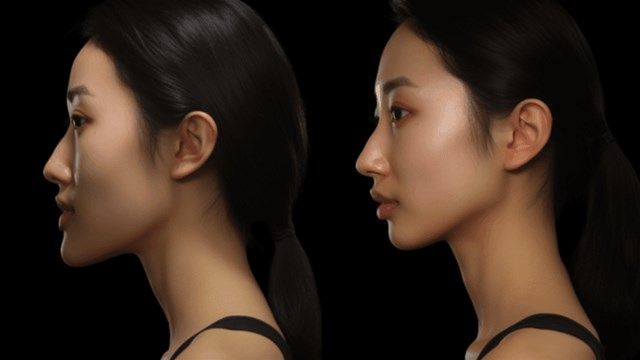
Double jaw surgery — known clinically as bimaxillary orthognathic surgery, in Korean as 양악수술 — is the most invasive cosmetic-and-functional craniofacial procedure offered in Korean plastic surgery and one of the strongest 'why Korea' cases of any K-beauty procedure. The technique repositions both the upper jaw (maxilla via Le Fort I osteotomy) and the lower jaw (mandible via BSSO or IVRO) to correct skeletal malocclusion, asymmetry, midface deficiency, mandibular prognathism, or open bite. The procedure is reconstructive and functional in clinical origin (correcting bite and jaw relationship), and cosmetic in many of its modern Korean indications (refining facial proportions for aesthetic concerns alongside functional correction).
The Korean clinical context shapes how the procedure is delivered here in three distinctive ways. First, Korean clinics handle some of the highest annual case volumes globally — the procedure became prominent in Korean cosmetic practice in the 2000s and has built a deep specialist case base since. Second, 3D virtual surgical planning with CAD/CAM-printed splints is now standard at premium-tier Korean clinics, allowing precise pre-op planning of the osteotomy and segment movements. Third, the price differential vs. Western markets is among the largest of any K-beauty procedure: Korean surgical-procedure cost typically runs $15,000–$30,000 (with total arc including orthodontics typically $19,000–$38,000) vs. US total $50,000–$80,000+, with technique sophistication and senior-surgeon volume that match or exceed most Western centers.
The procedure addresses skeletal Class II (upper jaw forward / lower jaw back), skeletal Class III (lower jaw forward / lower-jaw prognathism), open bite, deep bite, facial asymmetry, midface deficiency, vertical maxillary excess ("gummy smile" of skeletal origin), and combinations of these. Pre-op orthodontic preparation is generally required (typically 12–18 months) to align teeth in their final position before the bony movement, with post-op orthodontics for 6–12 months to refine the bite. The total treatment arc from initial orthodontic consult to final result is typically 2.5–3 years.
This guide covers what double jaw surgery does in the Korean clinical context, the technique decision tree (Le Fort I, BSSO vs IVRO, anterior subapical, segmentation), what the procedure realistically costs in Gangnam, the long recovery arc from procedure day through 12-month bone healing, candidacy and the orthodontic-coordination requirement, the substantial complication profile, and the questions that separate a thoughtful consultation from a high-volume operation. Genioplasty is referenced briefly because chin reposition is sometimes combined with double jaw; the dedicated chin reduction-genioplasty guide covers that procedure in depth.
What double jaw surgery is (and is not)
Double jaw surgery is bimaxillary orthognathic surgery — repositioning both the maxilla (upper jaw) and the mandible (lower jaw) to correct skeletal malocclusion, asymmetry, or proportional concerns. The procedure is performed through intraoral incisions (no external scars), requires general anesthesia, takes 4–6 hours typically, and produces functional changes (bite correction) and proportional changes (facial profile, jaw position) that are largely permanent.
Standard surgical techniques in current Korean practice:
- Le Fort I osteotomy (maxilla) — the upper jaw is detached from the skull base via a horizontal cut above the tooth roots, then repositioned. Allows movement in three dimensions: forward, vertical (down or up), and rotational.
- BSSO (Bilateral Sagittal Split Osteotomy, mandible) — the lower jaw is split sagittally on each side, the tooth-bearing portion is repositioned, and the segments are fixed with plates and screws. Allows forward, backward, or asymmetric movement.
- IVRO (Intraoral Vertical Ramus Osteotomy, mandible) — alternative mandibular technique. Vertical cut behind the tooth-bearing portion; segments are not rigidly fixed with screws but stabilized by elastic guidance. Used in some specific cases (mandibular prognathism with TMJ concerns); less precise control than BSSO; protective of TMJ load; trades off a longer period of elastic guidance and more restricted post-op jaw motion vs BSSO. Sometimes preferred in Korean practice for certain Class III cases.
- Anterior subapical osteotomy — segmental movement of the front portion of the upper or lower jaw without full Le Fort I. Used in specific cases.
- Segmentation — Le Fort I with multiple segments (typically 2–3 pieces) for complex cases requiring transverse expansion or differential vertical movement.
- Genioplasty (often combined) — chin osteotomy with repositioning of the chin segment. Frequently combined with double jaw surgery; can be a sliding genioplasty (forward, backward, or vertical movement) or shortening.
Indications:
- Skeletal Class III (mandibular prognathism / underbite) — the highest-volume indication in Korean cosmetic practice
- Skeletal Class II (mandibular retrognathism / overbite) — common but lower volume than Class III in Korean practice
- Open bite (anterior teeth don't meet)
- Deep bite (excessive vertical overlap)
- Vertical maxillary excess (gummy smile of skeletal origin)
- Facial asymmetry (skeletal cant or twist)
- Midface deficiency
- Combinations of the above
Double jaw surgery is not the same as facial contouring or V-line surgery (mandible angle reduction + chin reduction). Facial contouring removes bone for cosmetic refinement without repositioning; double jaw surgery moves bone to change the relationship between maxilla and mandible. Some patients are best served by one or the other; some by both staged separately.
Double jaw surgery is also not appropriate for patients without skeletal indication. A patient with proportional concerns whose underlying skeleton is normal generally has more appropriate alternatives (genioplasty, mandible angle reduction, fillers, fat grafting). The procedure is invasive, recovery-intensive, and complication-prone enough that pure cosmetic application without skeletal indication should be considered carefully against alternatives.
What patients actually report
Our reviews database holds limited Korean-clinic double jaw surgery entries directly tagged. Patterns below are aggregated from international forums (RealSelf orthognathic boards, Reddit r/jawsurgery, Korean platforms), Korean clinic case series, and peer-reviewed satisfaction literature on bimaxillary orthognathic procedures.
The recovery is more difficult than patients expect. Patients describe the first 2–3 weeks as the hardest recovery they've experienced, with significant facial swelling, difficulty speaking, restricted diet (liquid only for 2–4 weeks, then soft for another 4–6 weeks), and substantial fatigue. Reviewers whose pre-op consultation walked through the recovery timeline in detail describe the experience as expected; reviewers who underestimated the recovery describe the early weeks as alarming.
Pre-op orthodontic preparation is the most-skipped step internationally. Some international patients arrive in Korea hoping for surgery without prior orthodontics, having heard that some Korean clinics offer 'surgery-first' protocols. Surgery-first protocols exist but are appropriate for a minority of cases — specifically, patients with stable initial occlusion and limited dental decompensation. The protocol carries a higher risk of skeletal relapse and post-op malocclusion if the patient's initial bite is not stable, and is sometimes positioned by clinics primarily for international-patient logistical convenience rather than for clinical appropriateness. Patients who pushed clinics toward surgery-first when their case warranted full pre-op orthodontics report higher rates of post-op refinement difficulty and longer total treatment time.
Numbness is universal early and meaningful long-term. Reviewers describe lower lip and chin numbness as universal in the first weeks; partial recovery over months; persistent partial numbness in some distribution at 1+ year is common and consistent with published 5–15% permanent rate. Patients prepared for this find it manageable; patients unprepared describe it as distressing.
Cosmetic outcomes vary widely with case selection. Reviewers with clear skeletal indication (Class III prognathism, significant asymmetry, anterior open bite) describe transformation that orthodontics or non-skeletal cosmetic procedures couldn't have achieved. Reviewers with primarily cosmetic indication and minor underlying skeletal pattern describe more modest results; some retrospectively wish they had pursued less-invasive alternatives.
The filtered double jaw surgery reviews show what we have today.
Cautions from clinical practice
Double jaw surgery has the most extensive complication profile of any K-beauty procedure. The publicly reported issues span surgical complications (bleeding, infection, anesthesia), hardware-related issues (plate or screw exposure, fracture), nerve-related issues (sensation, motor function), and skeletal-outcome issues (relapse, malunion, asymmetry).
Inferior alveolar nerve injury. The mandibular osteotomy passes near the inferior alveolar nerve which carries lower lip and chin sensation. Temporary partial numbness affects nearly all patients; reported permanent numbness rates run 5–15% in published trained-hand cohorts, with higher rates in poor-technique cases or large mandibular movements. The numbness is typically partial (some distribution affected, some preserved) rather than complete.
Lingual nerve injury. Less common than inferior alveolar but reported in 1–3% of cases. Affects sensation and taste in part of the tongue.
Facial nerve injury. Rare (under 1%) but reported. Can produce weakness of facial muscles. Typically temporary; rarely permanent.
Bleeding. Significant intra-operative bleeding occurs in 5–15% of cases requiring transfusion in some published series; advances in hypotensive anesthesia and tranexamic acid use have reduced rates over the past decade.
Skeletal relapse. Bony movement may shift back partially over the first 1–2 years post-op. Reported rates run 5–20% across cases, with higher rates in cases involving large movements, insufficient orthodontic preparation, or inadequate fixation. Most relapse is minor and addressable with post-op orthodontic refinement; significant relapse may require revision surgery.
Malunion or nonunion. Failed bone healing at the osteotomy sites. Rare (under 2%) but serious; may require revision surgery.
Hardware-related issues. Plates and screws used for fixation may become exposed (through gum tissue), become palpable through skin, or cause patient discomfort. Plates are sometimes removed electively at 12+ months; mandatory removal occurs in under 5% of cases.
TMJ (jaw joint) issues. Some patients develop new or worsened TMJ pain, clicking, or limited opening post-op. Rates reported widely (10–25% transient; 1–5% chronic). IVRO mandibular technique is sometimes preferred specifically to reduce TMJ load.
Avascular necrosis (AVN). Death of bone tissue from disrupted blood supply. Rare (under 1%) but serious; can affect maxillary segments, particularly in segmentation cases.
Infection. Reported rates 1–5% with standard antibiotic prophylaxis; severe infection requiring readmission is rare.
Periodontal complications. Tooth loss or significant gum recession at osteotomy sites occurs in 1–3% of cases.
Aesthetic outcome dissatisfaction. Even with successful functional outcome, patients may be dissatisfied with the aesthetic result. Reported in 5–15% of primarily-cosmetic indication cases. Pre-op planning with 3D virtual surgical planning and explicit aesthetic goal-setting reduces this rate.
Death. Mortality from orthognathic surgery is rare (under 1:10,000 in published cohorts) but non-zero. The procedure is invasive enough that mortality risk is real, particularly in patients with significant medical comorbidities or in combined procedures.
The technique decision tree
The procedure plan depends on the indication, the magnitude of skeletal movement needed, and the surgeon's preference within evidence-supported alternatives. At consultation, the surgeon should walk through the specific plan for your case rather than describing a generic protocol.
| Decision | Options | What drives the choice |
|---|---|---|
| Maxillary technique | Le Fort I (most common); Le Fort I with segmentation; anterior subapical (specific cases) | Magnitude and type of movement; need for transverse expansion or differential vertical movement |
| Mandibular technique | BSSO (most common globally); IVRO (preferred in some Korean Class III cases); body osteotomy (rare) | Movement direction and magnitude; TMJ considerations; surgeon preference |
| Genioplasty integration | Combined sliding or shortening genioplasty (common); not done | Chin position concerns separate from main jaw movement |
| Surgery-first protocol | Surgery-first (move bones, then orthodontics); orthodontics-first (full pre-op braces, then surgery) | Specific indications; case complexity; patient circumstances |
| Fixation | Rigid plate-and-screw fixation (current standard); maxillomandibular fixation (older approach) | Universal current standard is rigid fixation; MMF reserved for specific cases |
| Pre-op orthodontic duration | 12–18 months typical (orthodontics-first); 0–3 months (surgery-first) | Tooth alignment and dental decompensation; case complexity |
| Total bone movement | Small (under 5mm), moderate (5–10mm), large (over 10mm) | Magnitude of skeletal discrepancy; aesthetic goals; functional needs |
Patients should ask explicitly which combination of decisions applies to their case, what's driving each decision, and what alternatives the surgeon considered. A surgeon who can articulate this is operating in a planning-driven mode; one who can't is potentially operating in a one-size-fits-all mode.
3D virtual surgical planning — what it actually does
3D virtual surgical planning (VSP) is the meaningful technique advance in orthognathic surgery over the past two decades and is now standard at premium-tier Korean clinics.
How it works: Pre-op CT or CBCT scan is converted to a 3D model of the skull and dentition. The surgeon and team plan the osteotomy locations, segment movements (forward, backward, vertical, rotational, segmentation if needed), and the final occlusion digitally. CAD/CAM-printed surgical splints guide the intra-operative segment positioning. The result is meaningfully more precise than traditional model surgery (where plaster models of the jaws were physically cut and repositioned).
What it improves:
- Pre-op accuracy of planned movement
- Intra-operative segment positioning (splint-guided)
- Communication between surgeon, orthodontist, and patient (the 3D plan is visually clear)
- Reduced reliance on intra-operative judgment for precise positioning
- Better outcomes for complex asymmetric or multi-segment cases
What it doesn't fix: The actual surgical execution still requires expert hands. The plan is only useful if the surgeon can execute it accurately; the splint guides positioning but doesn't make osteotomies or perform fixation. The technique advance is in the planning, not the execution.
What to ask: Premium-tier Korean clinics use VSP for most cases. Ask whether your case will use 3D virtual surgical planning, who does the planning (the surgeon, an in-house team, or an outsourced service), and whether you can review the plan before surgery. The answer should reflect a thoughtful planning process, not a marketing label.
Cost in Gangnam — and the orthodontic coordination question
Double jaw surgery pricing in Korean clinics has more components than most procedures. The surgical procedure itself is one line; pre-op and post-op orthodontics are typically additional; hospital stay, anesthesia, and follow-up may be bundled or separate. The numbers below are clinic-quoted ranges as of 2026:
| Item | KRW range | USD range | Note |
|---|---|---|---|
| Surgical procedure (Le Fort I + BSSO) | ₩20,000,000 – ₩35,000,000 | $15,000 – $26,500 | Mid-tier Korean orthognathic case |
| Surgical procedure with genioplasty | ₩25,000,000 – ₩40,000,000 | $19,000 – $30,000 | Combined orthognathic + chin |
| Pre-op orthodontics (12–18 months) | ₩2,000,000 – ₩5,000,000 | $1,500 – $3,800 | Often coordinated with home-country orthodontist for international patients |
| Post-op orthodontics (6–12 months) | ₩1,500,000 – ₩3,000,000 | $1,150 – $2,300 | Refinement after surgery |
| 3D virtual surgical planning | ₩1,500,000 – ₩3,000,000 | $1,150 – $2,300 | Sometimes bundled in surgical fee at premium-tier clinics |
| Hospital stay (5–7 nights) | ₩2,000,000 – ₩4,000,000 | $1,500 – $3,000 | Sometimes bundled in surgical fee |
| Total typical international-patient cost | ₩25,000,000 – ₩50,000,000 | $19,000 – $38,000 | Surgery + minimal Korea-side orthodontics + hospital |
For comparison: equivalent bimaxillary orthognathic surgery in the US typically runs $40,000–$60,000+ for the surgical procedure alone, plus orthodontics ($5,000–$10,000+) and hospital stay; total $50,000–$80,000+. UK private equivalent £25,000–£40,000+ for surgery; NHS reconstruction sometimes available for medical indications. Australia AUD $30,000–$60,000+. The Korean tier sits meaningfully below all major Western markets, with absolute savings often $20,000–$40,000.
Orthodontic coordination is the meaningful logistical hurdle. Pre-op orthodontics typically require 12–18 months of monthly appointments with an orthodontist. International patients commonly coordinate with a home-country orthodontist for the pre-op phase, with the Korean surgeon providing planning input and final-position targets. Some Korean clinics partner with specific orthodontic practices that can handle the orthodontics for patients who relocate or commute; others rely on home-country orthodontic coordination. Ask explicitly how this is handled.
Recovery, day by day
Double jaw surgery has the most intensive recovery of any K-beauty procedure. The procedure-day-to-final-result arc spans 12–18 months for full bone healing and final outcome.
| Window | What you'll see | What you can do |
|---|---|---|
| Procedure day | General anesthesia recovery; significant facial swelling beginning; jaws either rubber-banded together or wired in some cases (varies by surgeon and case); IV fluids and pain management | Hospital admission; ICU or step-down for first night common |
| Day 1–3 | Massive facial swelling; difficulty speaking; significant pain managed with IV medication; liquid diet | Hospital stay; first ambulation on day 1; gradual transition to oral pain medication |
| Day 4–7 | Swelling at peak around day 3–5, then beginning to decrease; speech improving; transition from IV to oral medication; soft liquid diet (smoothies, broth, pureed) | Hospital discharge typically day 5–7; clinic check; transition to outpatient management |
| Day 7–14 | Swelling decreasing; speech mostly recovered; bruising fading; able to leave hotel for short outings | Outpatient recovery in hotel; multiple clinic checks; transition to thicker liquid diet |
| Day 14–21 | Substantial swelling resolution; transition to soft food (yogurt, mashed potatoes, soft eggs); enough recovery to fly home | Safe to fly home around day 14–21; first international patients can leave; continued soft diet |
| Week 4–6 | Most visible swelling resolved; transition toward normal eating with care | Normal-consistency food gradually; no aggressive chewing; light activity |
| Week 6–8 | Bone healing well underway; near-normal function returning | Resume normal eating; light exercise; continue post-op orthodontics if started |
| Month 3 | Substantial bone healing; result visible but still settling | Full activity; full eating; continued orthodontics |
| Month 6 | Major bone healing complete; final functional outcome visible | Final functional assessment; orthodontic refinement |
| Month 12 | Full bone remodeling; final outcome stable | Final cosmetic and functional outcome assessment; revision discussion if applicable |
Trip duration: minimum 14-day stay (procedure + 12 days hospital and recovery); optimal 21-day stay for the most relaxed recovery and highest probability of catching early issues. Most international patients underestimate this; double jaw surgery requires meaningfully longer stays than any other K-beauty procedure.
The 10 questions to ask in your consultation
Suggested questions for your double jaw surgery consultation. The candidacy, technique-decision, and orthodontic-coordination questions are the highest-impact decisions.
- What's my skeletal classification, and what's the surgical plan? Walk me through the 3D virtual surgical planning visualization. The honest answer references your specific anatomy and movements, not a generic protocol.
- Le Fort I + BSSO, BSSO + IVRO, or other combination, and why? Technique choice should reference your specific case characteristics.
- What's the magnitude of planned movement in mm in each direction (forward, backward, vertical, rotational)? Specific numbers should be available if VSP has been done.
- Pre-op orthodontics duration estimate, and how do we coordinate with my home-country orthodontist? The practical logistics matter more than the surgical sophistication for international patients.
- What's your inferior alveolar nerve injury rate, and what's your protocol if numbness develops? Specialist clinics with research backgrounds may have published or internal data; high-volume clinics may track outcomes.
- What's your relapse rate, and how do you minimize it? Rigid fixation protocol, orthodontic preparation, and movement magnitude all affect relapse.
- Who personally performs the osteotomies and the segment positioning? Senior surgeon involvement throughout matters more here than for almost any other procedure.
- What's your TMJ-related complication rate, and what's your protocol if jaw joint issues develop? Important question if you have any pre-existing TMJ concerns.
- What's the all-in price including consultation, surgery, hospital stay, anesthesia, post-op care, follow-up, and any prescribed orthodontics? Get the full-stack number in writing.
- What's the revision protocol if I have meaningful relapse, malocclusion, or aesthetic dissatisfaction at 6–12 months? The clinic's framing reveals whether they're operating in long-arc outcome mode or in surgery-volume mode.
Choosing a clinic
Double jaw surgery is offered by specialist orthognathic clinics and by some general plastic surgery clinics in Gangnam. The dedicated specialist subset is meaningful and produces better outcomes for complex cases.
- Board-certified oral and maxillofacial surgeon, or plastic surgeon with explicit orthognathic training — orthognathic surgery is its own specialty pathway; not all plastic surgeons are equipped to handle it well.
- High annual orthognathic case volume — typically several hundred bimaxillary cases annually for premium-tier Korean specialist clinics. Volume matters more here than for almost any other K-beauty procedure.
- 3D virtual surgical planning capability — should be standard at any clinic you're considering for complex cases.
- Strong orthodontic partnership or in-house orthodontic capability — pre-op and post-op orthodontic coordination is core to the procedure outcome.
- Hospital-grade operating facility with overnight observation capability — not appropriate for outpatient cosmetic-clinic environments. The clinic should also have on-site blood bank capability or a formal emergency transfer contract with a major university hospital (e.g., Seoul National University Hospital, Severance, Asan Medical Center). Double jaw surgery is the K-beauty procedure with the most substantial transfusion-eligible bleeding risk; this safety infrastructure is non-optional.
- Documented complication rates and outcome tracking — clinics that track and discuss outcome data are operating in research mode; those that don't are not.
- Senior-surgeon-led teams — the procedure has too many critical decisions for technician-driven execution.
- Realistic candidacy assessment — clinics that propose surgery for primarily cosmetic indications without significant skeletal pattern should be evaluated more carefully.
The filtered clinic directory shows current matches. For double jaw surgery specifically, the shortlist should be meaningfully narrower than for general K-beauty; this is not a procedure where breadth of options is helpful.
Risks, complications, and what a safe clinic looks like
The published AE rates for bimaxillary orthognathic surgery in trained Korean hands sit roughly here: inferior alveolar nerve permanent numbness 5–15%; lingual nerve injury 1–3%; facial nerve injury under 1%; transfusion-requiring bleeding 5–15%; skeletal relapse 5–20%; malunion or nonunion under 2%; hardware exposure 1–5%; TMJ complications 10–25% transient and 1–5% chronic; AVN under 1%; infection 1–5%; periodontal complications 1–3%; aesthetic dissatisfaction 5–15% (varies widely by case selection); mortality under 1:10,000.
Recognition. Patient-side signals worth knowing: significant unilateral swelling, redness, fever in first 2 weeks (potential infection — needs immediate clinic contact); rapid expansion of swelling beyond day 5 (uncommon — rule out hematoma); persistent severe pain not responding to medication (atypical — clinic contact); inability to close mouth or visible asymmetry of bite at 1+ month (potential malocclusion — needs evaluation); persistent severe TMJ pain beyond 3 months (chronic TMJ complication).
Documentation. Pre-procedure 3D imaging (CT or CBCT); pre-op clinical photos in standardized angles; orthodontic record; 3D virtual surgical plan; intra-operative documentation; post-op imaging; clinical photos at 1 week, 6 weeks, 3 months, 6 months, 12 months. Clinics that maintain this protocol are operating in research-grade mode.
Safety considerations specific to international medical tourism. The 14-day minimum stay is non-negotiable. The hospital stay (5–7 nights typical) catches early complications that matter; the outpatient recovery period to day 14 stabilizes the patient enough to fly. Patients flying home before day 14 risk early-detection misses on infection, hematoma, hardware issues, or malocclusion that the post-op orthodontist may not be equipped to diagnose. Long-distance follow-up via remote photo and video submission works for the long-arc visits at month 3, 6, and 12.
Who is a good candidate (and who is not)
Double jaw surgery has the most stringent candidacy of any K-beauty procedure. The ideal candidate has clear skeletal indication (significant Class III, Class II, open bite, or asymmetry), age 18+ with completed skeletal growth, in good general health, with realistic expectations grounded in the 12-18 month outcome timeline, willing to commit to 12+ months of pre-op orthodontics and 6+ months of post-op orthodontics, and prepared for the substantial recovery and complication risk.
Reasons to delay or skip:
- Active skeletal growth (under 18 typically; some cases later for males). Surgery before growth completion can have continued growth disrupting the result.
- Mild skeletal pattern with primarily cosmetic concerns. Patients with mild skeletal discrepancy whose primary concern is cosmetic may be better served by genioplasty, mandible angle reduction, fillers, or fat grafting. The risk-benefit calculation favors less-invasive alternatives in mild-skeletal cases.
- Significant medical comorbidities. Active autoimmune conditions, bleeding disorders, severe cardiovascular disease, severe untreated sleep apnea, active TMJ disorder, or other systemic conditions require evaluation and stabilization before elective orthognathic surgery.
- Unable or unwilling to commit to orthodontic coordination. Pre-op and post-op orthodontics are core to the procedure; patients unable to coordinate this either in Korea or in their home country are unlikely to have good outcomes.
- Active smoking. Smoking impairs bone healing and increases complication rates; most surgeons require cessation 4–8 weeks pre and post procedure, often longer.
- Body dysmorphia or unrealistic aesthetic expectations. Repeated revision-seeking patterns or unstable expectations are red flags that warrant pre-surgical psychological assessment for elective cosmetic indications.
- Pregnancy or planned pregnancy in the next 18 months. The recovery and orthodontic timeline conflict with pregnancy planning.
For patients with combined skeletal-and-cosmetic indications, the procedure can be transformative. For patients with primarily cosmetic indications and minimal skeletal pattern, less-invasive alternatives should be evaluated carefully before committing to double jaw surgery.
When to travel and how long to stay
Double jaw surgery requires the longest stay of any K-beauty procedure by a substantial margin.
Minimum: 14 days. Procedure (Day 1) + hospital stay (5–7 nights) + outpatient recovery in hotel (7–9 days) + clearance to fly. This is the absolute minimum and assumes uncomplicated recovery.
Optimal: 21 days. Procedure + hospital + outpatient recovery + 2–3 clinic checks + more relaxed recovery before flying. Most international patients should plan for this length; the 14-day minimum is feasible but adds risk of early-detection misses.
Long-arc follow-up: 1, 3, 6, 12 month checks, typically managed via remote photo and video submission for international patients. The 6-month and 12-month checks are the most important; some patients return in person for these if budget allows.
Pre-op orthodontic phase: 12–18 months typically, coordinated with home-country orthodontist. Some Korean clinics partner with specific orthodontic practices that can handle the orthodontics for patients who relocate to Korea; this is a niche option for patients whose work or family situation allows it.
Combination trips: Double jaw surgery should not be combined with any other significant procedure. The recovery burden is too high; the anesthesia time is already substantial; safety considerations argue strongly against compounding. Genioplasty integrated in the same operation is the only routine combination; even that is sometimes staged.
Touch-up sessions: If revision becomes needed (significant relapse, malocclusion, aesthetic dissatisfaction), typically scheduled 12+ months out. Most revisions require a second separate trip and may be more invasive than the original procedure.
Tax refund, cash discount, and seasonal deals
Three layers of price reduction stack at most clinics. Double jaw surgery is the highest-absolute-cost K-beauty procedure, so percentage savings translate to substantial dollar savings:
VAT refund. Up to 10% of the procedure cost, recoverable at Incheon Airport for foreigners on tourist visas — but only at clinics registered with Korea's Medical Tourist Tax Refund program, and only for procedures coded as eligible cosmetic services. Cosmetically-coded double jaw surgery typically qualifies; medically-necessary cases (significant functional indication, congenital anomaly) sometimes don't. Either Global Tax Free or KT Tourism Tax Refund handles most refunds. The tax refund calculator shows what you'll actually recover after fees.
Cash discount. Typically 5–10%. On a ₩30,000,000 ($23,000) procedure, this is ₩1,500,000–₩3,000,000 ($1,150–$2,300) in savings.
Seasonal promotions. Less common for double jaw surgery than for non-surgical procedures. Capacity and surgical scheduling drive the calendar. Some clinics offer modest discounts for off-peak scheduling.
Currency exchange: Pricing in KRW is typically locked at booking; the long pre-op orthodontic period means USD-to-KRW movement over 12–18 months can be meaningful. Patients booking far ahead can occasionally benefit from favorable currency movement; the inverse risk is also real.
Health insurance considerations. Some patients with significant functional indication may have partial insurance coverage from home-country systems. Coverage varies widely; insurance reimbursement for international medical tourism is generally limited but worth investigating for medically-necessary cases.
Alternatives to consider instead
Double jaw surgery is the right answer for significant skeletal malocclusion, asymmetry, or proportional concerns of skeletal origin. If your case is something else, consider these alternatives:
- Mild skeletal pattern with primarily cosmetic concerns. Genioplasty (chin osteotomy) addresses chin position; mandible angle reduction addresses jaw width; fillers or fat grafting address proportional refinement. These are less invasive with lower complication rates and may produce equivalent cosmetic results in mild-skeletal cases.
- Orthodontic-only correction. Some skeletal Class III and Class II patterns can be camouflaged orthodontically without surgery. Limits exist (can't move teeth far enough to compensate for major skeletal discrepancy), but consultation with an orthodontist before committing to surgery is appropriate.
- TMJ-related concerns without major skeletal indication. TMJ-specific treatments (splints, physical therapy, joint surgery) may be more appropriate than orthognathic surgery for primarily TMJ complaints.
- Sleep apnea with mild skeletal pattern. Maxillomandibular advancement (MMA) is a specific orthognathic indication for sleep apnea but should be evaluated by sleep medicine and orthognathic specialists together; CPAP and oral appliance alternatives should be tried first in most cases.
- Significantly delayed presentation. Adult patients with long-standing skeletal issues sometimes have well-adapted bites and minimal functional concern; cosmetic-only indication after long adaptation is a different conversation than younger functional cases.
- Non-treatment. Some patients reassess after consultation and choose to live with their skeletal pattern. This is a legitimate outcome, particularly when functional concerns are mild and the recovery and complication burden of surgery is high.
A serious double jaw surgery consultation will sometimes recommend less-invasive alternatives, staged approaches, or non-treatment. That signals an outcome-focused practice rather than a high-volume operation. Patients pushing toward double jaw surgery for primarily cosmetic indication should expect honest pushback from any specialist surgeon who is operating in patient-best-interest mode.
The bottom line
The case for Gangnam for double jaw surgery is the strongest of any K-beauty procedure. Korean clinics handle some of the highest annual case volumes globally, the technique sophistication (3D virtual surgical planning, CAD/CAM splints, IVRO availability for specific cases) matches or exceeds most Western centers, and the price differential vs. Western markets is among the largest of any procedure — total cost of $19,000–$38,000 in Korea vs. $50,000–$80,000+ in the US is a $20,000–$40,000 absolute saving that easily covers travel from any origin.
The case against is that double jaw surgery is the most invasive, most recovery-intensive, and most complication-prone K-beauty procedure. The 14–21 day minimum stay, the 12–18 month total treatment arc, the substantial complication profile (5–15% permanent inferior alveolar nerve numbness, 5–20% relapse, 1–5% chronic TMJ issues), and the orthodontic-coordination logistics make this fundamentally different from any other K-beauty trip. Patients who can't commit to the full arc, who don't have appropriate skeletal indication, or who have significant medical comorbidities are genuinely poor candidates regardless of clinic.
The patients for whom Gangnam double jaw surgery is most clearly the right call are those with clear skeletal indication (significant Class III, Class II, open bite, or asymmetry); appropriate age and skeletal maturity; willingness to commit to 12+ months of pre-op orthodontics and 6+ months of post-op orthodontics; ability to spend 14–21 days in Korea for the surgery and recovery; coordination with a home-country orthodontist for the long pre- and post-op periods; and origins where flight cost is not prohibitive relative to the $20,000–$40,000 in absolute savings. The trip math is genuinely strong for the right candidate.
For patients with primarily cosmetic indication and minimal skeletal pattern: less-invasive alternatives (genioplasty, mandible angle reduction, fillers, fat grafting) should be evaluated carefully before committing to double jaw surgery. The risk-benefit calculation tilts toward alternatives in mild-skeletal cosmetic cases. Korean specialist surgeons typically offer this perspective at consultation when given the opportunity; clinics that don't are operating in surgery-volume mode rather than outcome mode.
If you do come, four practical notes. First, plan for the 21-day optimal stay rather than the 14-day minimum if your schedule allows; the hospital stay alone is 5–7 nights, and the early outpatient recovery period catches most issues. Second, coordinate orthodontic care with a home-country orthodontist before committing to a Korea trip; the pre-op orthodontic period of 12–18 months is the most under-appreciated logistical hurdle. Third, get the 3D virtual surgical plan, technique decisions (Le Fort I + BSSO + IVRO + segmentation + genioplasty), planned movements in mm, and complication-rate data in writing before the procedure; the documentation matters for any subsequent revision conversation. Fourth, the candidacy conversation is the most important conversation in your consultation — for double jaw surgery more than any other K-beauty procedure, the right answer is sometimes 'no' or 'not yet' or 'consider alternatives.' Take that seriously when you hear it.
Double jaw surgery is the K-beauty procedure where Korean specialist experience, technique sophistication, and dollar economics align most strongly in Korea's favor for the right candidate. It's also the procedure where the wrong candidate stands to lose the most. The consultation conversation that matters most is the candidacy conversation; the rest follows from there.
Opiniones de pacientes (1)
Informes de pacientes resumidos por IA procedentes de foros externos. Se muestran en el idioma original; próximamente estarán disponibles los resúmenes traducidos.
The reviewer had facial contouring after prior double jaw surgery to correct remaining asymmetry. Recovery support included complimentary hair washing, de-swelling treatments, a facial, and airport transfers, and the staff communicated clearly with English-speaking help throughout. They reported excellent results, felt the experience was transparent and attentive, and strongly recommended it.
Leer la reseña completa →